Trivalent chrome plating has spread through finishing shops because it removes the worst of the hexavalent chemistry — the mist suppression, the fume extraction load, and the hexavalent chromium that ends up in the rinse water. The plating tank is only half of that change. The anode is the other half, and it is the part most often carried over from an old line by mistake.
The problem is specific. In a trivalent bath, an anode that runs at high oxygen-evolution potential will oxidise Cr3+ back to Cr6+. That consumes the bath chemistry you paid for and puts hexavalent chromium back into your waste stream — the exact thing the switch was meant to eliminate. It is also why a trivalent line is normally run with an MMO (mixed metal oxide) coated titanium anode, usually iridium oxide with a tantalum oxide interlayer (IrO2/Ta2O5), and frequently with the anode compartment separated from the plating solution by a membrane.
Lead dioxide (PbO2) titanium anodes are not the right choice for a trivalent chrome bath. They remain a good anode for oxygen-evolution duty — conventional chrome plating, electroplating and cathodic protection — but they belong on a hexavalent line, not a trivalent one. If you are converting a tank, the anode is one of the parts that has to change with the bath.
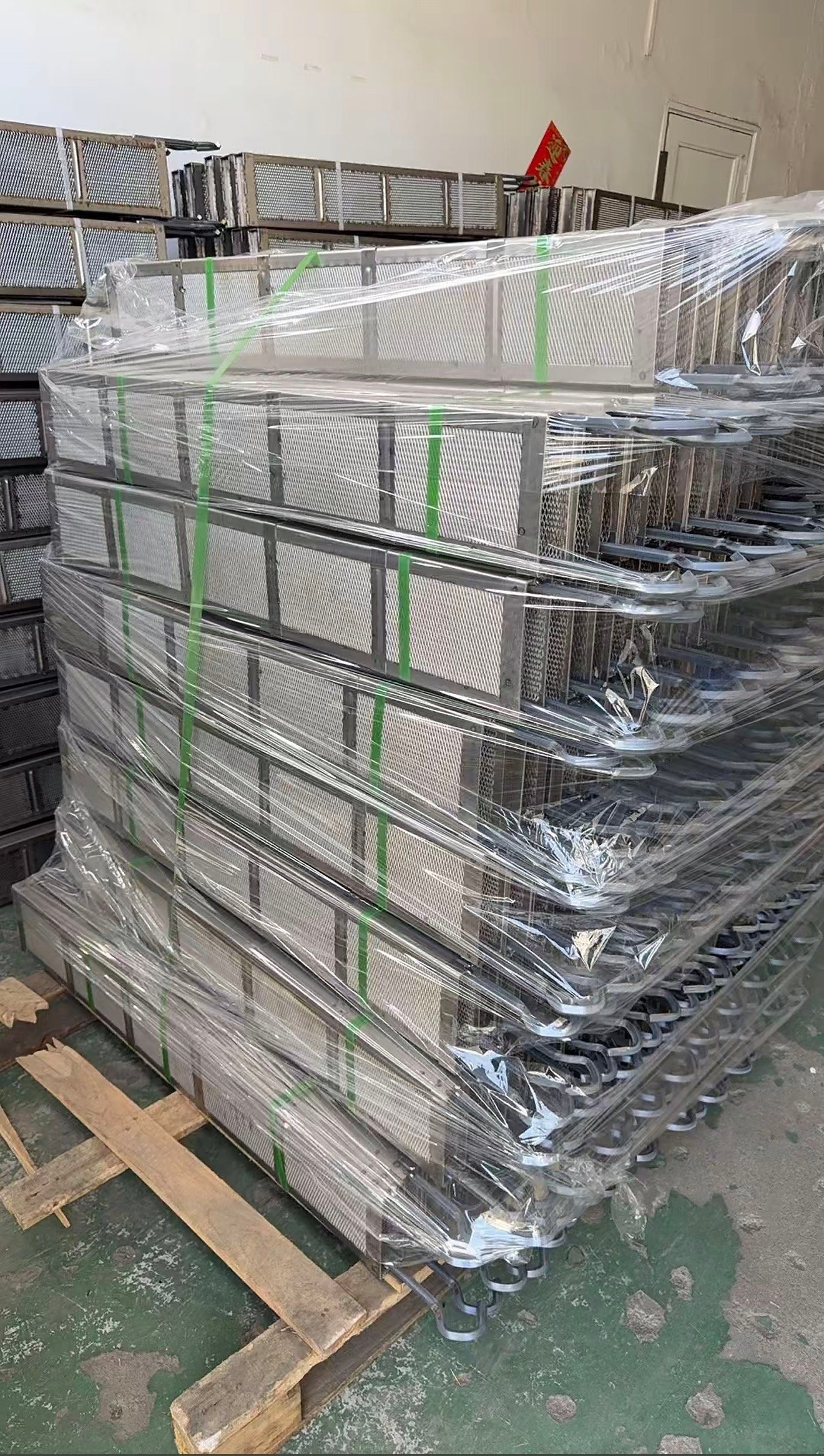
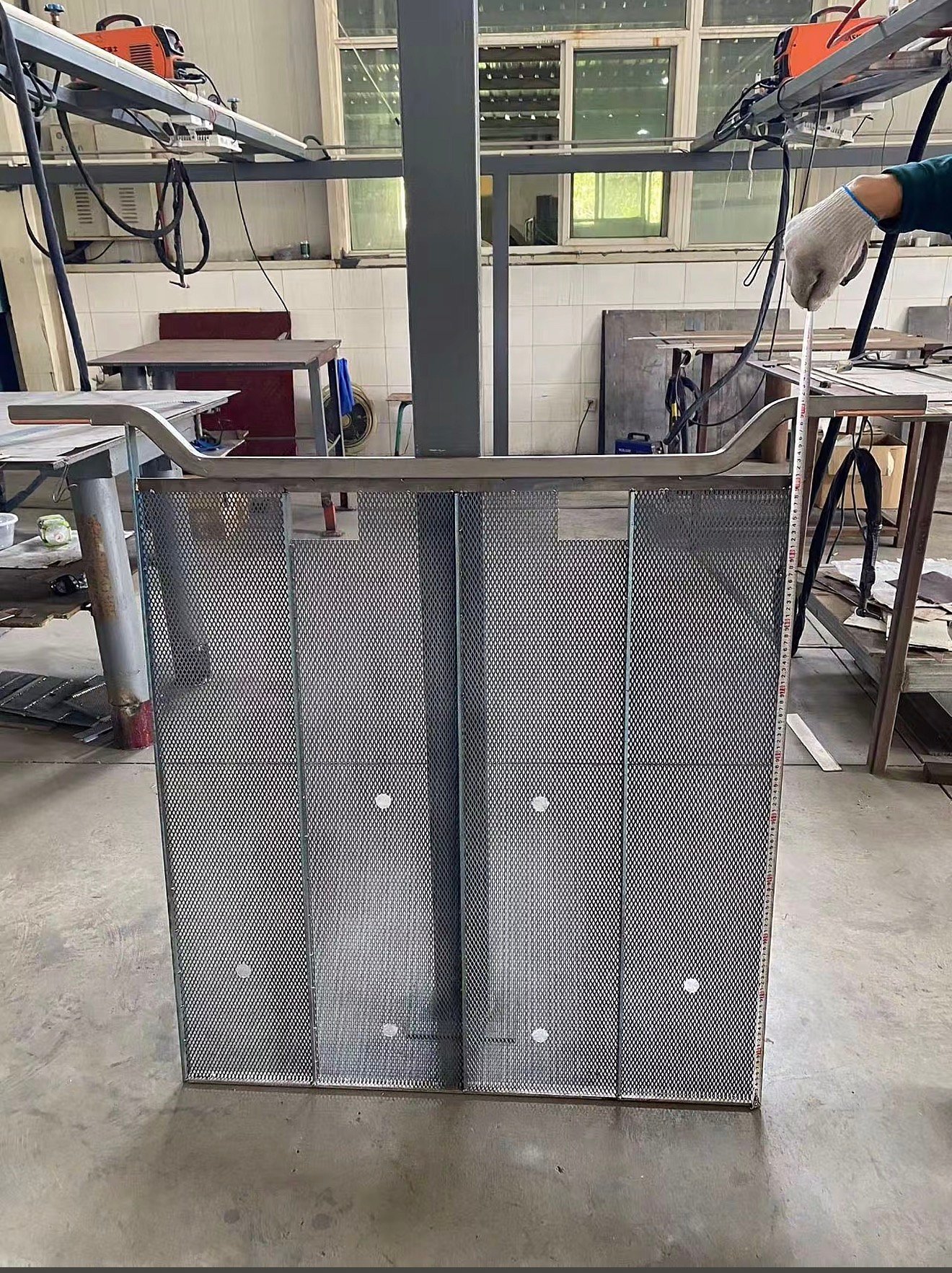
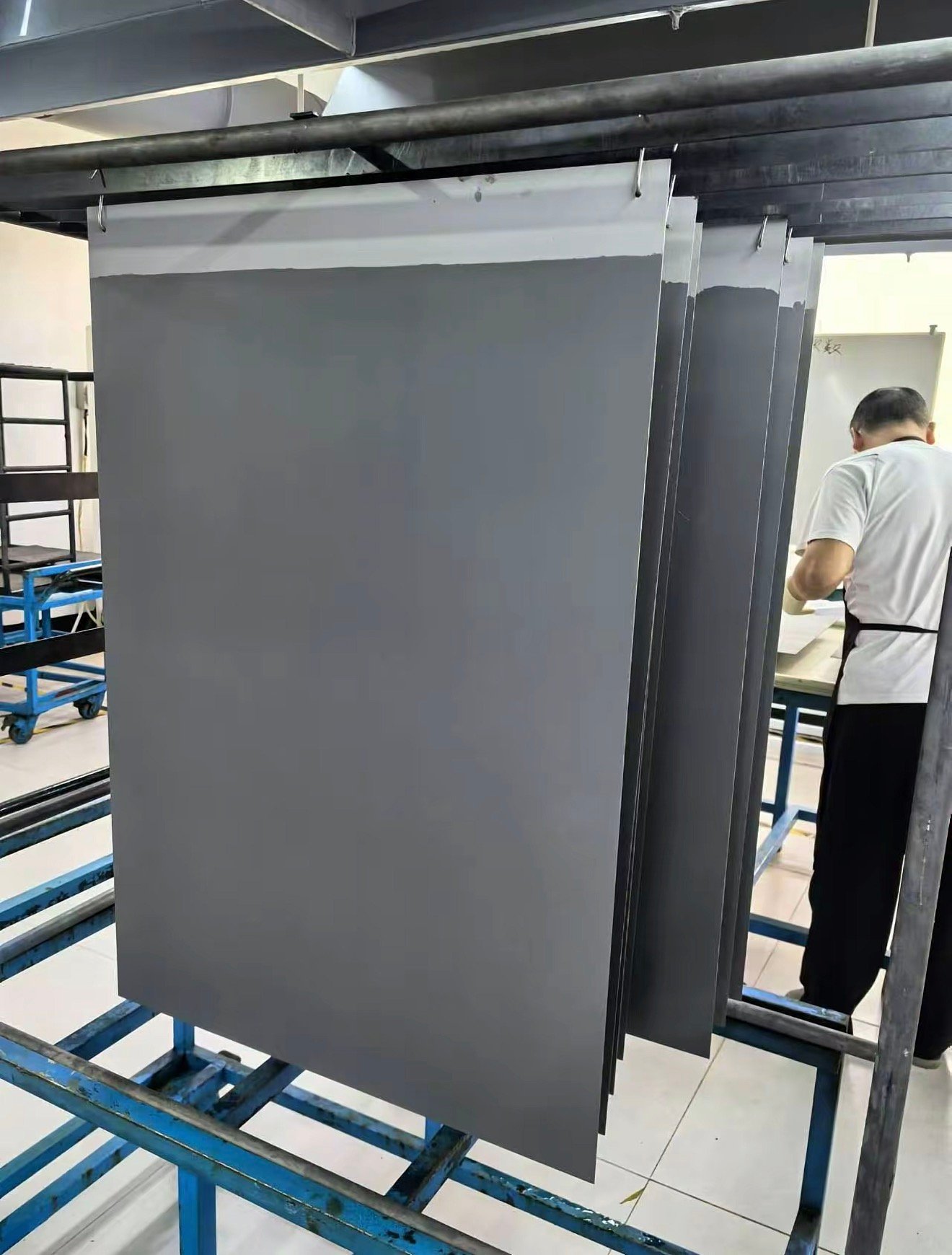
We supply MMO-coated titanium anodes in plate, sheet, mesh, rod and expanded-mesh form, fabricated to your tank dimensions, as replacements for an existing trivalent line or as part of a new one. Read the full process background in our guide to trivalent chrome plating equipment, or see the chrome plating lines we build.